All across America, upper schoolers are turning their backs to books—and their eyes towards technology and screens. According to data from 2024, only about 11% of high school seniors are reported to read at least six books for pleasure a year, a staggering total. As of 2023, a mere 17% of 13-year-olds report reading daily for fun, a sharp decline from the 35% of 1984. While one could argue that technology streamlines the research process and makes learning and organization easier, getting rid of reading also has a negative impact on students and their development. What changed to make so many students forget the magic of written words and stories?
In place of books, students increasingly spend time on social media and screens, scrolling through photos and videos, and playing games. Most students find that they are not eager to pick up books, and are not interested in reading. For some, it is hard to sit down quietly for long periods of time and think over and digest stories. Through technology, many students’ attention spans have become diminished. Reading a book requires time, dedication, and thought, things which teenagers now are unwilling to give when they have access to phones, laptops, smartwatches, and ipads through which they can easily flip through entertainment of all kinds. This inability to sit still and think deeply about and analyze things is damaging to students because they are unable to digest both the subtle and literal meanings of messages and words which the author is trying to communicate. Reading is arguably the best way to expand one’s knowledge, and students now do not do it enough.
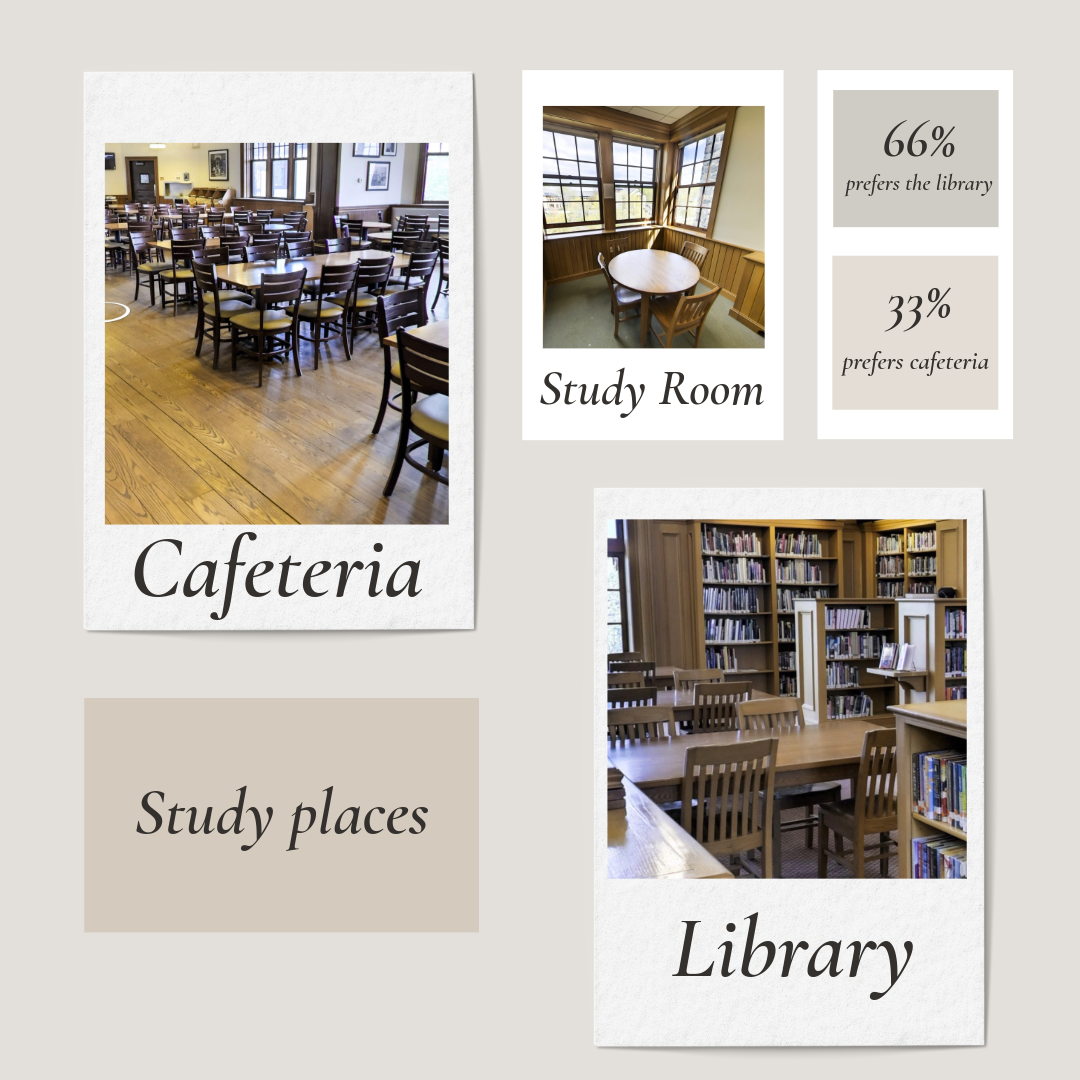
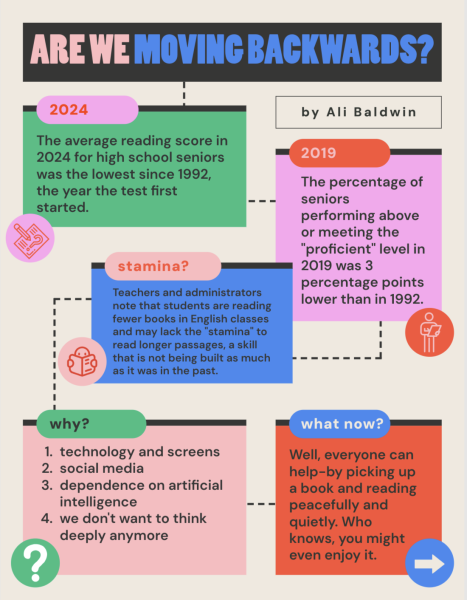 Recreational reading is not the only reading which is affected. Even in school, students are taking advantage of digitalized sources, the internet, artificial intelligence, and other media to try to aid their understanding of plot, theme, and ideas. Screens have become integral in schools on a large scale. In Hackley English class, students watch movies to accompany books, and sometimes find themselves analyzing television shows and movies. Summer reading is diminishing, and although many spend time in the library, a select few actually check out books which they choose to read for fun or for research purposes. It has become much easier for students to simply plug key words into their web browsers and search for information they need. Teachers and administrators are trying to adapt to this new age and generation of non-readers. However, this is not necessarily a good thing. The increasing student reliance on technology and shortcuts is worrying because few students actually know how to navigate libraries, or analyze and read whole passages themselves, and struggle to build their own opinions and find factual, correct information. With so much information available at the click of a button, it is sometimes difficult to establish what is factual and correct. There is a great deal of misinformation on the internet, and students are prone to error this way.
Artificial intelligence is also a problem. Students increasingly use ChatGPT to form ideas that they are incapable of understanding on their own, or as a way to avoid the bother of trying to form an argument by themselves. Students have become lazy, and are eager to take shortcuts. The last thing they look to do is sit down and ponder the intricacies of Scott Fitzgerald’s The Great Gatsby, Jane Austen’s Pride and Prejudice, or Harper Lee’s To Kill a Mockingbird. Why would students want to sacrifice time and effort to read these books when they could just ask AI to dissect the most interesting takeaways and provide a summary? What is the point of thinking when AI can act as a substitute for one’s own mind? Well, for one, AI should not take the place of the human brain—students need to learn to think for themselves in order to grow and develop. Additionally, using artificial intelligence to supplant your own opinions shows dangerous dependence and lack of understanding.
Iris Kaplan, a freshman at Hackley school, said that although she reads almost daily, she does not find the process rewarding and is sometimes too tired to engage in the activity. Another student (who would prefer to remain unnamed), said that he did not read and that he finds “it numbing to the mind. It makes my mind feel fuzzy. It hurts my brain and makes my eyes heavy.” Reading is a muscle, and when not exercised regularly and with suitable material, the skills necessary start to vanish and reading can seem like a toilsome task which none are willing to engage in.
Reading is at the heart of the learning process and is necessary for full development of critical thinking skills, analysis, and understanding. It is also quite fun, if approached correctly. Reading expands one’s vocabulary, and helps one to see things from new points of view. It is an essential part of life, and something which many students are growing up without. In the end, the only person who is hurt by not reading is oneself. Increasing dependence on technology and artificial intelligence has led young people away from reading and thinking, skills which in turn lead one to learn from varying perspectives. Reading can be fun, serving to teach you about different places, cultures, experiences, and people. Hopefully, in future, students will recognize this and find time to pick up a book, if only for a couple minutes a day.