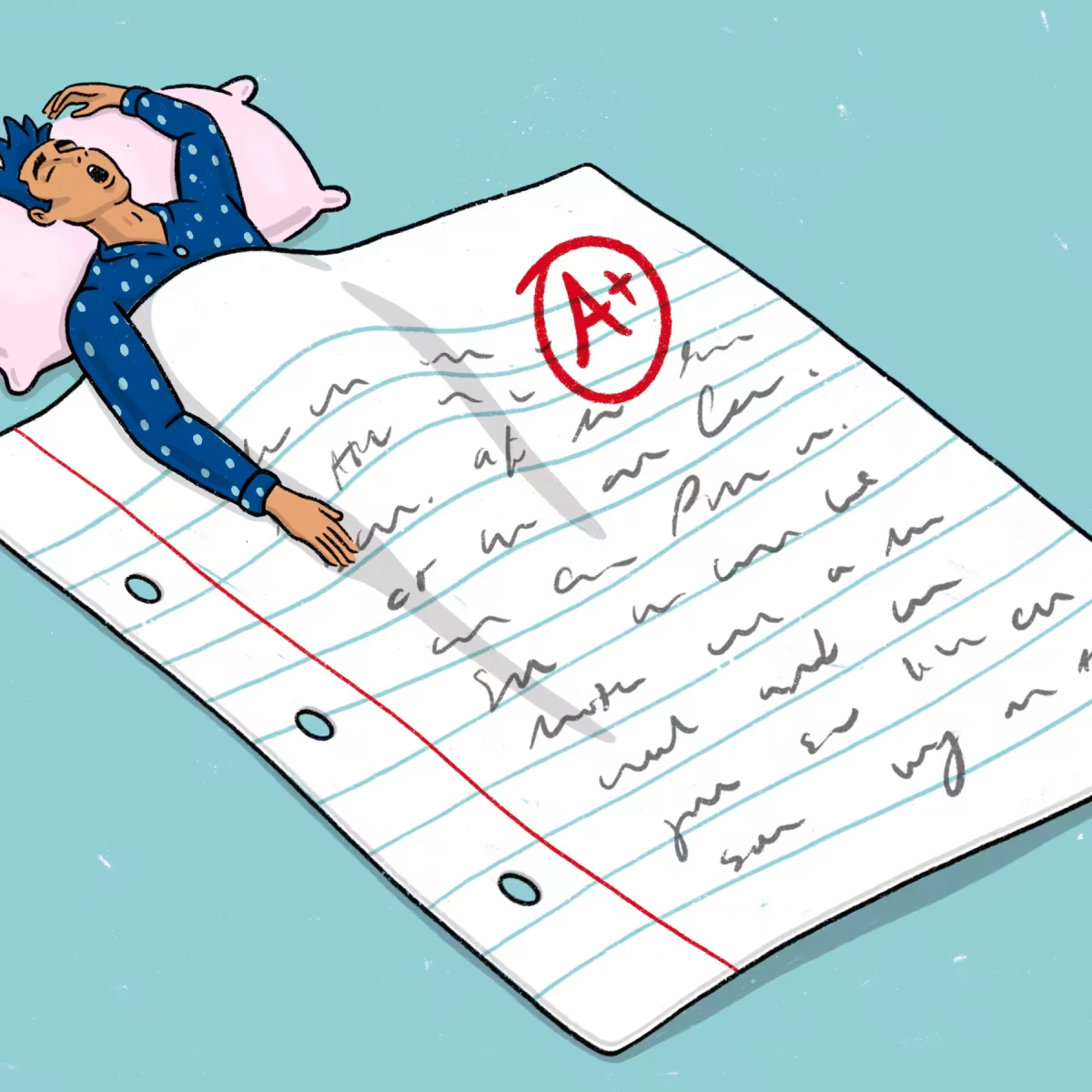
As I witness my peers struggle through early morning classes, I can’t help but question the urgency of this issue. When did we decide it was acceptable to design a system that fundamentally contradicts what science tells us about sleep? We know that our teenage brains are wired to sleep and wake later. Studies show that teenagers need 8-10 hours of sleep, but most can’t fall asleep before 11 PM due to biological changes. Yet we are forced to be alert at 8:00 AM. When millions of teenagers are chronically sleep-deprived, that’s not a personal shortcoming; it’s a nationwide problem that demands immediate attention.
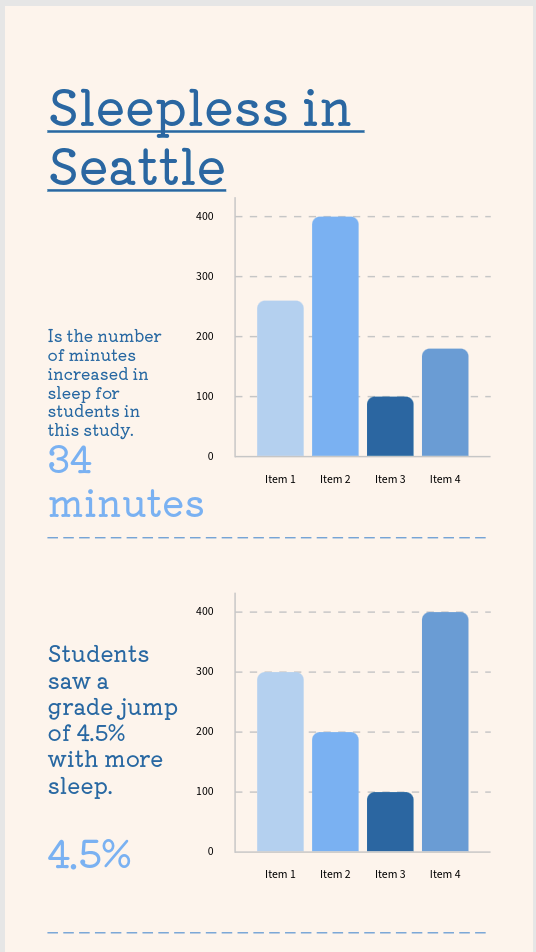
Look at Seattle. When they pushed high school start times from 7:50 AM to 8:45 AM, students gained 34 minutes of sleep and saw grades jump by 4.5%. (NPR Seattle). This success story is not just about numbers; it’s about reduced depression, anxiety, and better mental health. How many more studies do we need before we accept that this change works? The potential for positive change is right in front of us.
Yes, implementing later start times requires logistical adjustments. But when did we start prioritizing convenience over student well-being? Districts like Seattle have made it work despite the challenges. Every time someone dismisses later start times as “too complicated,” I hear them say our systems matter more than our children’s health. The benefits far outweigh the cons.
The science is precise. The real-world examples are proven. What we’re lacking isn’t evidence, it’s the courage to challenge tradition. Later school start times aren’t a luxury; they’re a science-backed intervention that improves virtually every metric our school claims to care about. Expecting teenagers to thrive on schedules that contradict what science says is good for us is unrealistic and harmful to our development. Is Hackley brave enough to implement this change? Our students deserve it, and the evidence is on our side.